

“Our advantages over parallel departments in other institutions are expressed through significant exposure to industry and teaching experience of staff members. Our curriculum includes unique components such as industry internships, which are designed primarily to get our graduates well prepared for work in the industry. For this purpose, the department provides a comprehensive support system for students, including academic advisors and departmental administrative services.”
The advanced industry presents numerous technological challenges that require a combination of solid and extensive theoretical knowledge with in-depth specialization in modern engineering fields. Engineers must demonstrate design capabilities, the ability to solve technological and engineering problems, integration into multidisciplinary development efforts, and the capacity for rapid learning and adaptation.
The department’s curriculum includes scientific courses such as mathematics and statics, physics, chemistry, and programming, alongside core engineering courses including statistics and strength of materials, computer-aided design, manufacturing processes, dynamics, thermodynamics, fluid mechanics and heat transfer, and control theory. Additional study topics include electricity and electronics, economics and marketing, reliability, and more.
In the final two years of the program, students specialize in one of the following four areas:
- Design and Manufacturing – Design of mechanical elements, mechanical systems, and facilities, deepening knowledge of CAD/CAM systems (computer-aided design and manufacturing), computerized manufacturing systems, electronic packaging, and more.
- Mechatronics – Integrating knowledge in mechanical engineering, electronics, and computers, as required in modern products and systems. The specialization focuses on courses in control, signal processing, electric drives, and microcomputers.
- Biomechanics – Studying basic principles in the design of materials and mechanisms for medical devices; understanding the interface between mechanical engineering and the medical world.
- Advanced Industry in the Information Era (Industry 4.0) – This track provides students with tools to handle advanced technological approaches required for transforming a traditional factory into a smart, modern facility that meets the standards of the digital revolution.
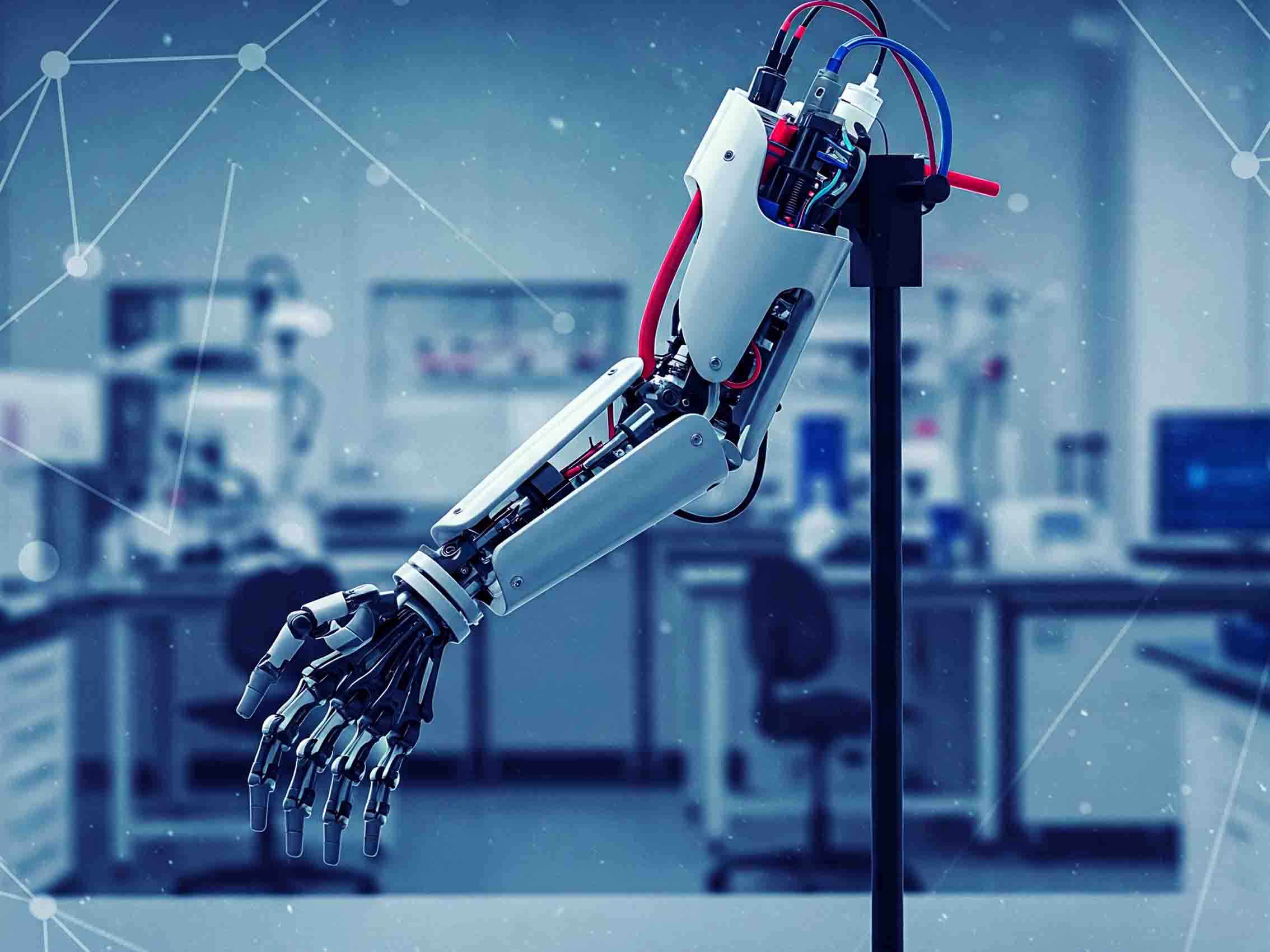
Studies in the department include hands-on experience in advanced laboratories, work on engineering projects, and the use of modern scientific and engineering software. All of these experiences, knowledge, and skills aim to prepare students for fast and appropriate integration into the high-tech industry and for advanced graduate studies.
The program of B.Sc. in mechanical engineering lasts four years and has the following unique characteristics:
- In the seventh semester, students take part in an industry internship (lasting one semester), during which they handle a variety of engineering tasks aligned with their hands-on training
- During the fourth year, students complete a final project. The project topic is usually connected to the company where they intern or selected from the college’s project pool. Project management follows an industrial format, including design reviews and close progress monitoring
- Alternatively, students with a research inclination may choose to conduct a research internship and project under the supervision of a faculty member involved in research. This path is offered to a limited number of students and provides research skills that prepare them for a research-oriented master’s degree